Do you need a permit for a bathroom remodel in Dallas? It depends on what moves
The short version: cosmetic work does not need one, and anything that moves plumbing, adds wiring or changes walls does. Here is where the lines sit and what each permit adds.
By Russell Leach, Bathroom Remodeling Guides EditorUpdated October 20264 min read
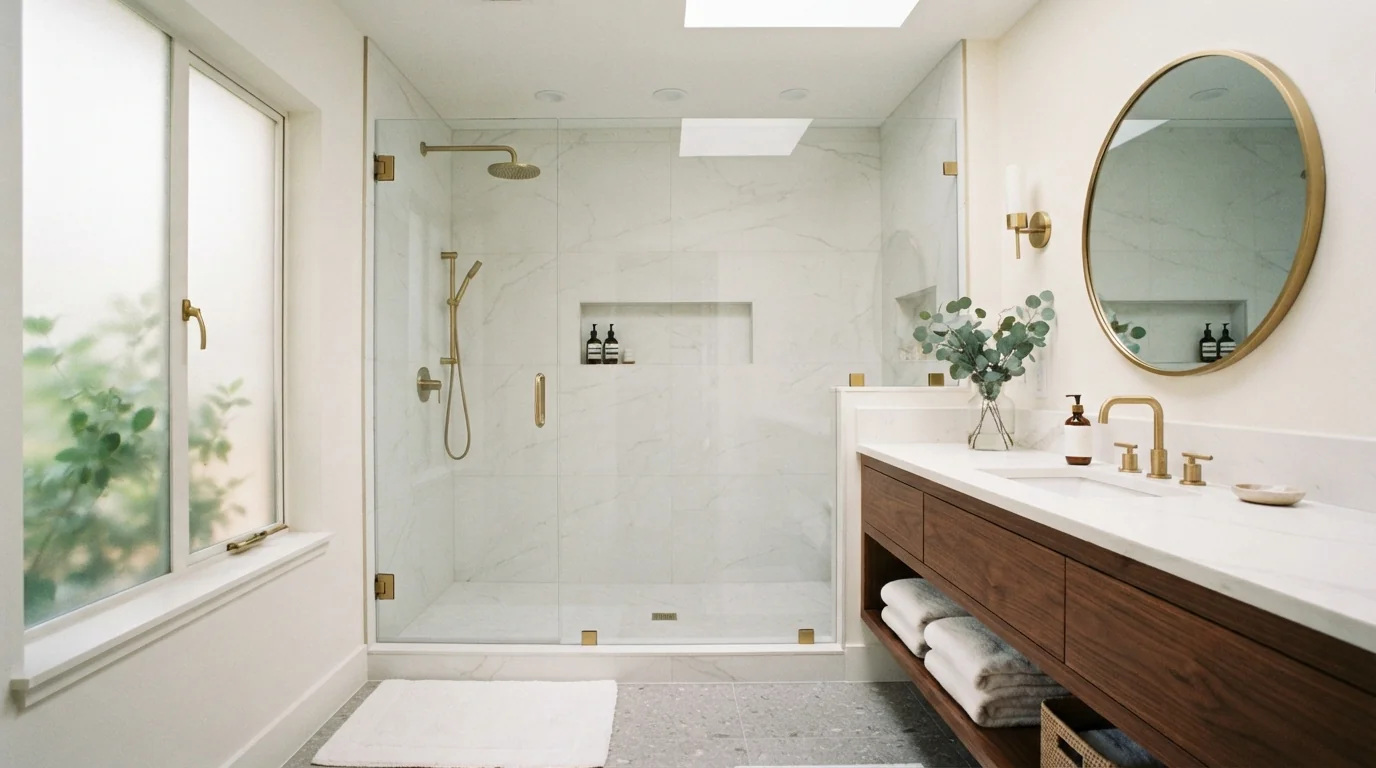
In Dallas, a cosmetic bathroom remodel with no plumbing or electrical changes, such as new paint, tile or a vanity in the same spot, does not need a permit. Moving or adding fixtures needs plumbing and building permits, new wiring needs an electrical permit, and adding a bathroom or removing walls needs building permits with plans.
The quick rule: does anything move?
Dallas follows the 2021 International Residential Code, and the easiest way to think about it is movement. If every fixture stays where it is and no wiring changes, the work is cosmetic. As soon as a drain moves, a circuit is added or a wall comes out, permits apply.
That makes the same bathroom a permit job or not depending on the plan. Retiling a shower around the existing valve is cosmetic; moving the valve to the other wall is not.
Which permit covers which work
These are the common cases for a Dallas bathroom, with typical approval times from published permit guides.
| Work | Permit needed | Typical approval |
|---|---|---|
| Paint, tile, vanity or toilet in the same place | None | Not applicable |
| New outlets or lighting circuits | Electrical permit | About 3 business days |
| Moving or adding fixtures | Plumbing and building permits | About 2 weeks |
| Removing a non-load-bearing wall | Building permit | About 2 weeks |
| Removing a load-bearing wall | Building permit with engineered plans | Longer, set by engineering |
| Adding a new bathroom | Building, plumbing and electrical, with a layout plan | About 3 weeks |
What permits cost in Dallas
Permit fees for bathroom work in Dallas typically run about 50 to 700 dollars depending on scope, and applications go through the city's DallasNow portal. Fees are usually a small part of the budget; the bigger effect is on the schedule, because inspections sit at fixed points in the job.
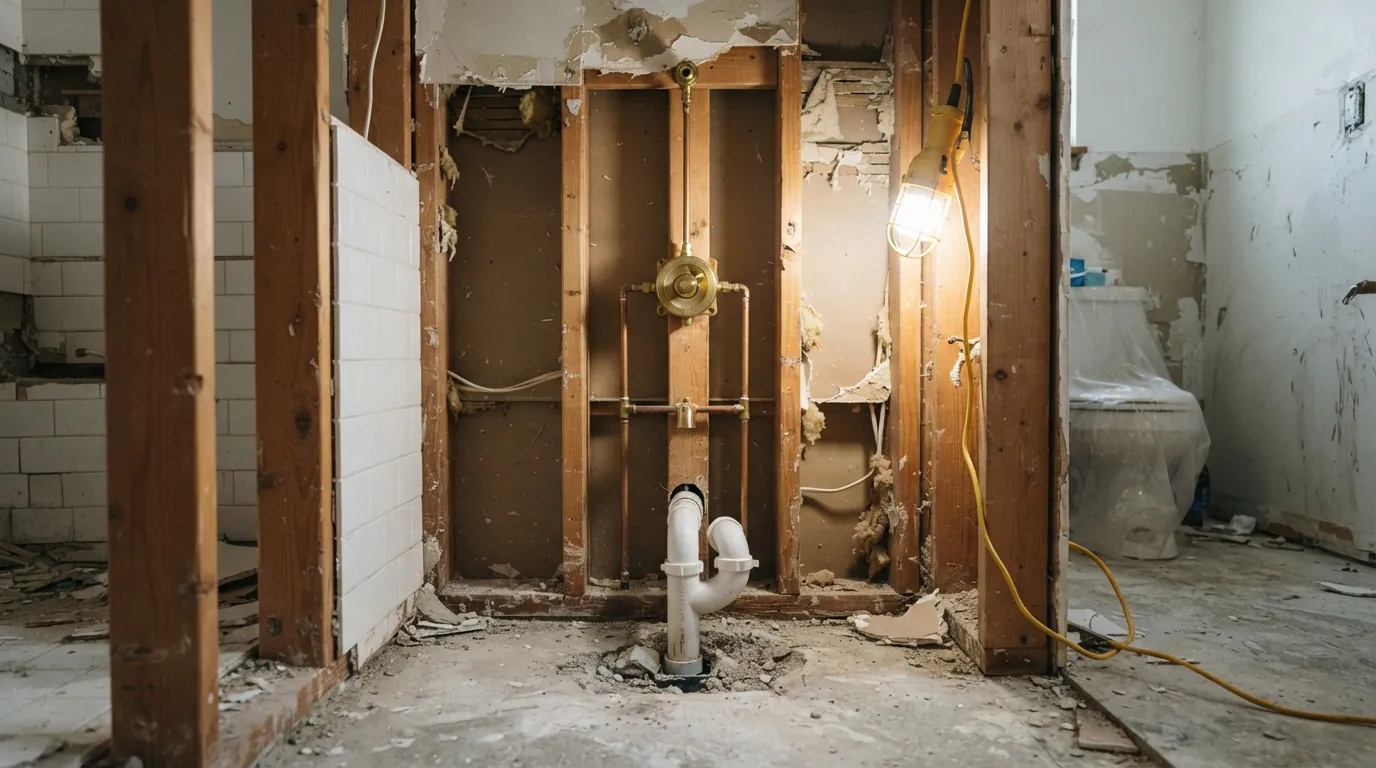
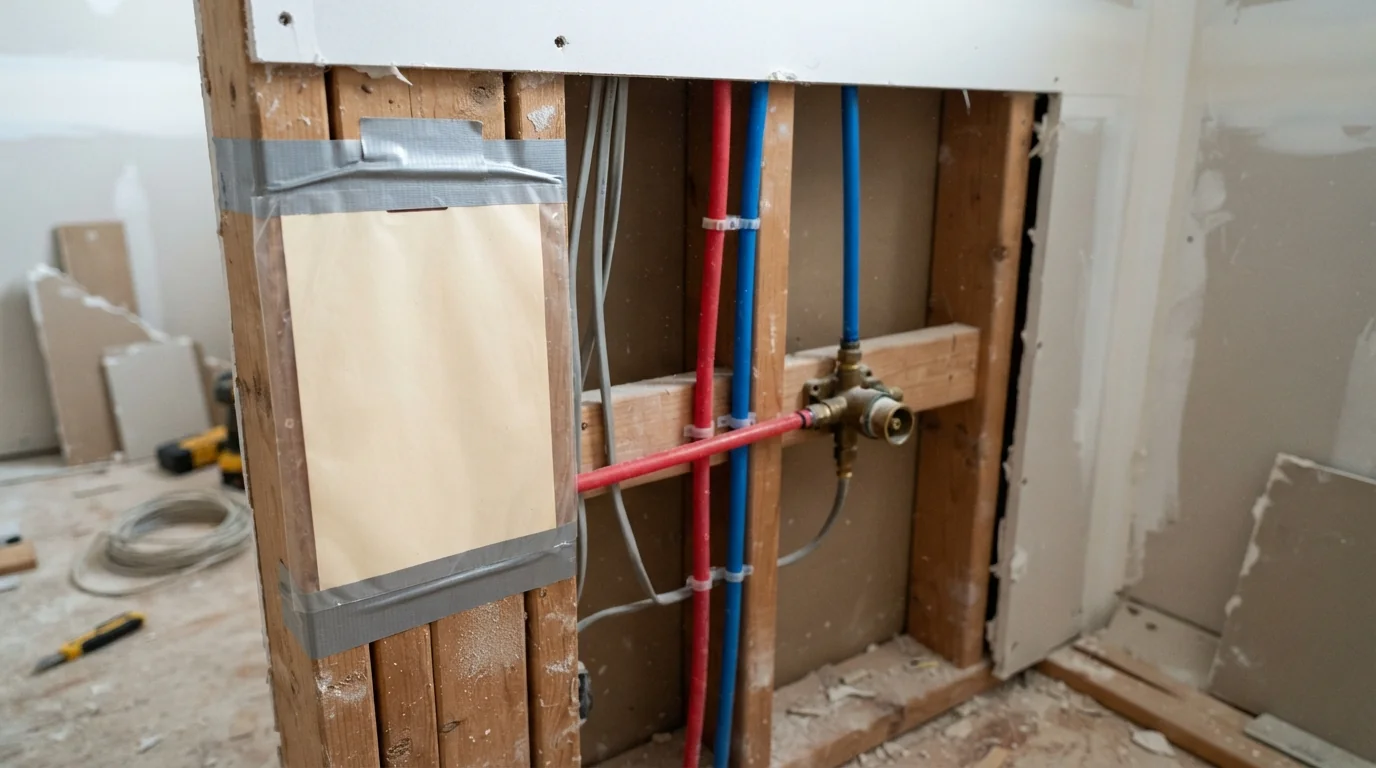
A rough-in inspection happens after new drains, supply lines and wiring are in and before walls or floors close, and a final inspection happens at the end. Nothing is tiled over until the rough-in passes.
What a homeowner can do themselves
Texas law lets a person who owns, lives in and has homesteaded a house do plumbing and mechanical work on it themselves. In Dallas that work still needs a permit and inspection when the building code requires one.
Electrical work is different. The city requires a permit for it, and the homestead allowance for plumbing does not extend to wiring. If your remodel adds circuits, recessed lights or a heated floor, plan for an electrical permit and inspection.
Not sure if your plan needs a permit? Call (214) 646-2836, any hour.
Call nowWhat happens if you skip a required permit
Unpermitted work can surface when you sell. Buyers' inspectors notice moved fixtures and added circuits, and a lender or buyer may ask for proof the work was permitted. Fixing that later can mean opening finished walls for an inspector to see what is behind them.
The practical risk is also the simplest: an inspection is a second set of eyes on the drain slope, the venting and the wiring before they disappear behind tile.
Permits for business restrooms
Commercial restroom work follows the same logic with more at stake: moving fixtures, walls or doors in an office, clinic or restaurant restroom needs building and plumbing permits through the city's DallasNow portal, and accessibility dimensions apply to the finished room.
Simpler changes, such as replacing door hardware, re-mounting grab bars on proper backing or swapping accessories, are lighter. Because business restrooms have to stay open, the inspection dates also decide how the work is phased. See ADA restroom compliance and commercial restroom remodels.
How we handle permits
When your scope needs permits, we file them before demolition, build the inspection dates into the schedule and have the rough-in ready for the inspector. Cosmetic jobs skip that step, which is part of why they are faster. See layout changes and plumbing relocation for jobs where permits shape the timeline.
Dallas bathroom permit questions
Something else? Call and ask, any hour.
Not if it goes in the same place with no plumbing or electrical changes.
Yes, plumbing and building permits.
Typically about 50 to 700 dollars depending on scope.
About 3 business days for simple electrical, about 2 weeks for moved fixtures, about 3 for adding a bathroom.
A homesteading owner can, with a permit and inspection where the code requires.
Electrical work requires a permit, and the homestead plumbing allowance does not cover wiring.
Find out what your plan needs
Call and describe what you want to change. We will tell you which permits apply, how long they take and how they fit the schedule.
2353 Bryan St, Dallas, TX 75201